Job Interview Preparation: Achieving Confident Delivery

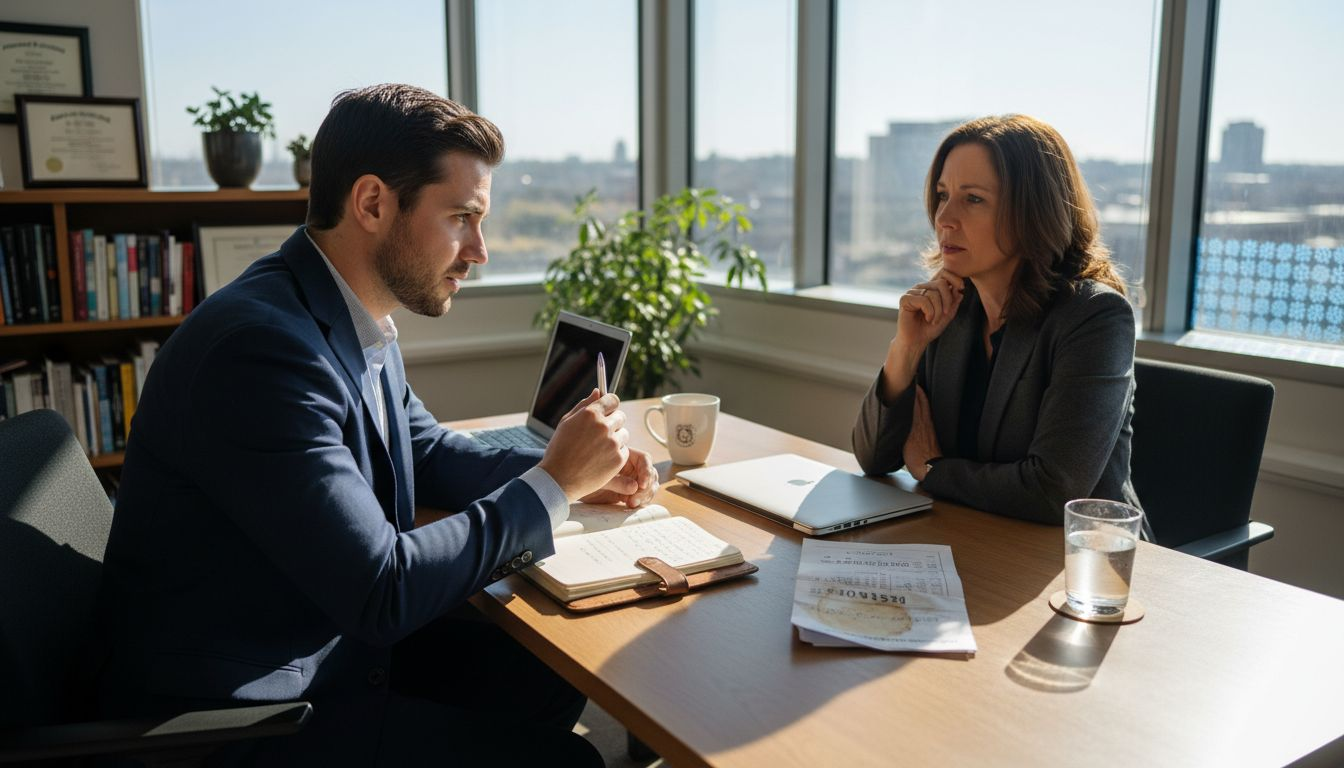
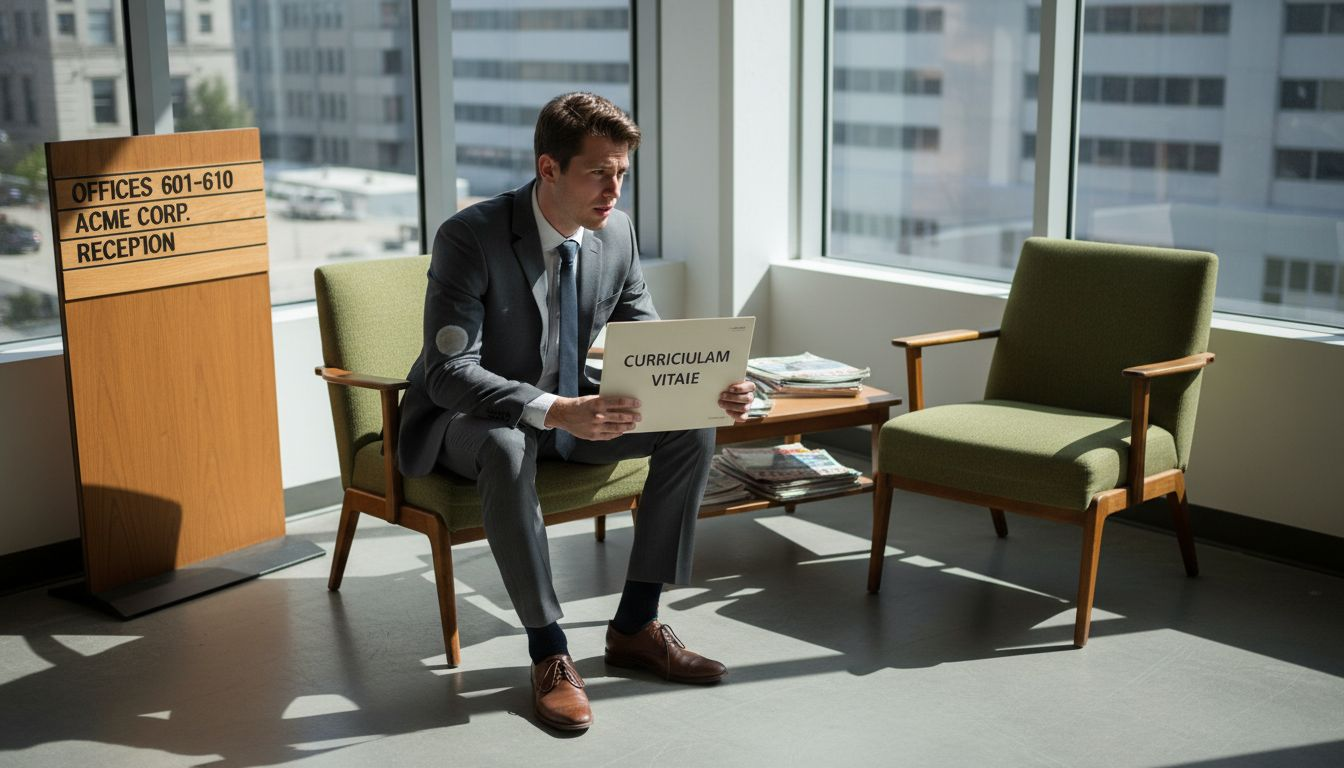
Preparing for a job interview can feel like a daunting process, especially for professionals aiming to advance their careers in North American workplaces. Success relies on much more than technical experience, placing equal weight on communication skills, confident self-presentation, and understanding modern interview formats such as video interviews. This guide offers practical, actionable steps focused on mastering interview success for remote and in-person settings, helping you present your best self both on screen and face to face.
Table of Contents
- Job Interview Preparation Explained Clearly
- Types Of Modern Job Interviews Today
- Key Interview Skills And Delivery Factors
- Expert Strategies For Video Interviews
- Common Mistakes And Pitfalls To Avoid
Job Interview Preparation Insights
| Point | Details |
|---|---|
| Comprehensive Preparation is Crucial | Candidates must focus on communication skills, research about the company, and presentation to ensure interview success. |
| Adaptability to Interview Formats | Familiarise yourself with different interview styles, including video and AI-driven assessments, to enhance your readiness. |
| Master Non-Verbal Communication | Body language and tone greatly influence impression; maintain confidence and clarity throughout the interview. |
| Avoid Common Pitfalls | Conduct thorough research, prepare structured responses, and present yourself professionally to enhance your chances of success. |
Job interview preparation explained clearly
Preparing for a job interview requires strategic planning and systematic practice. Most candidates underestimate the importance of comprehensive preparation, believing technical skills alone will secure their position. However, interview success depends equally on communication skills, confidence, and presentation.
Effective interview preparation involves multiple strategic components:
- Researching the company’s background and culture
- Understanding the specific job requirements
- Preparing concise, compelling answers to common questions
- Practicing your verbal and non-verbal communication
- Developing a confident, professional demeanour
The complex interview preparation process demands methodical approaches. Candidates must anticipate potential questions, craft responses that highlight their unique professional narrative, and demonstrate genuine interest in the role.
Body language, tone, and articulation play crucial roles in interview performance. Interviewers assess not just what you say, but how you communicate. Practice delivering answers with clarity, maintaining appropriate eye contact, and displaying confident, engaged body language. Video recording your responses can provide invaluable insights into your presentation style.
Pro tip: Practice your interview responses out loud and record yourself to identify areas needing improvement.
Types of modern job interviews today
The landscape of job interviews has dramatically transformed, reflecting technological advancements and changing workplace dynamics. Modern interview formats now encompass a diverse range of approaches designed to assess candidates more comprehensively than traditional face-to-face meetings.
Primary types of contemporary job interviews include:
- Telephone interviews: Quick screening conversations
- Video interviews: Remote assessments using digital platforms
- Panel interviews: Multiple interviewers assessing a single candidate
- Technical interviews: Skill-specific assessments for specialised roles
- Behavioural interviews: Evaluating candidate’s past performance and potential
- AI-driven assessments: Algorithmic screening of candidate responses
Each interview type serves a unique purpose in the recruitment process. Telephone and video interviews offer convenience and initial candidate evaluation, while panel and technical interviews provide deeper insights into a candidate’s professional capabilities. Behavioural interviews explore candidates’ soft skills, decision-making processes, and cultural fit.
Technology has significantly expanded interview possibilities, enabling organisations to conduct sophisticated, multi-stage assessments. Candidates must now be prepared for a range of interview styles, from traditional in-person meetings to advanced digital screening processes that might involve recorded video responses or AI-powered evaluations.
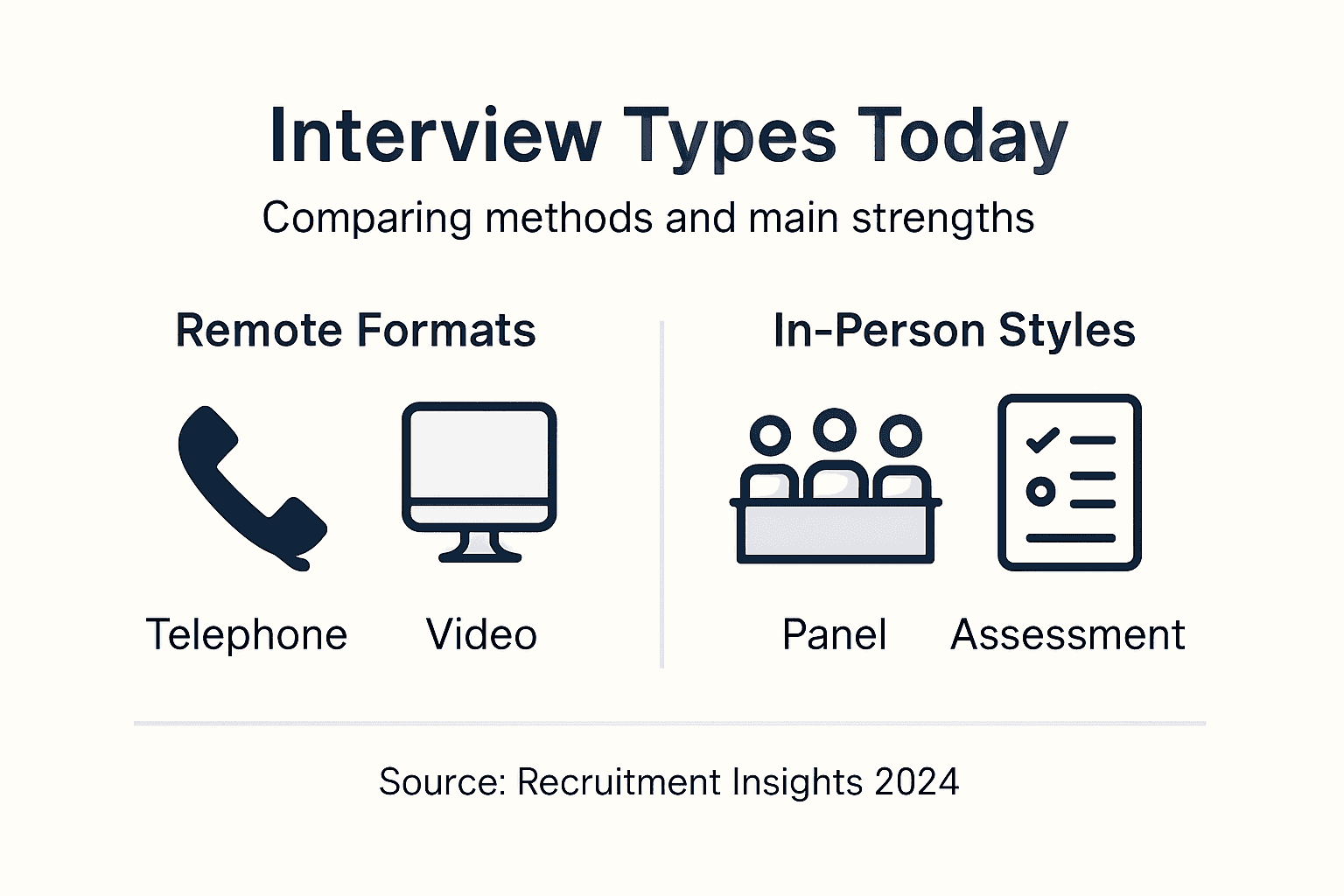
To better understand the strengths and weaknesses of each interview format, see the comparison below:
| Interview Type | Key Strength | Main Limitation |
|---|---|---|
| Telephone | Fast initial screening | Lacks non-verbal cues |
| Video | Demonstrates digital competence | Dependent on technology reliability |
| Panel | Multiple viewpoints assessed | Can feel intimidating |
| Technical | Directly tests job skills | May overlook soft skills |
| Behavioural | Evaluates past behaviours | Requires self-reflection |
| AI-driven Assessment | Enables rapid shortlisting | Lacks personal connection |
Pro tip: Familiarise yourself with different interview formats and practice adapting your communication style accordingly.
Key interview skills and delivery factors
Successful job interviews depend on mastering a complex set of communication skills and understanding critical delivery factors. Essential interviewing skills go far beyond simply answering questions, encompassing a holistic approach to professional self-presentation.
Key interview skills include:
- Verbal communication: Clear, concise articulation of thoughts
- Non-verbal communication: Confident body language and appropriate gestures
- Active listening: Engaging attentively with interviewer’s questions
- Emotional intelligence: Managing nerves and displaying professional composure
- Strategic storytelling: Crafting compelling narratives about professional experiences
- Adaptability: Responding flexibly to different interview styles
Nonverbal delivery factors play a crucial role in interview success. Your posture, eye contact, tone of voice, and facial expressions communicate as much about your candidacy as the words you speak. Maintaining a balanced, confident demeanour signals professional competence and emotional maturity.
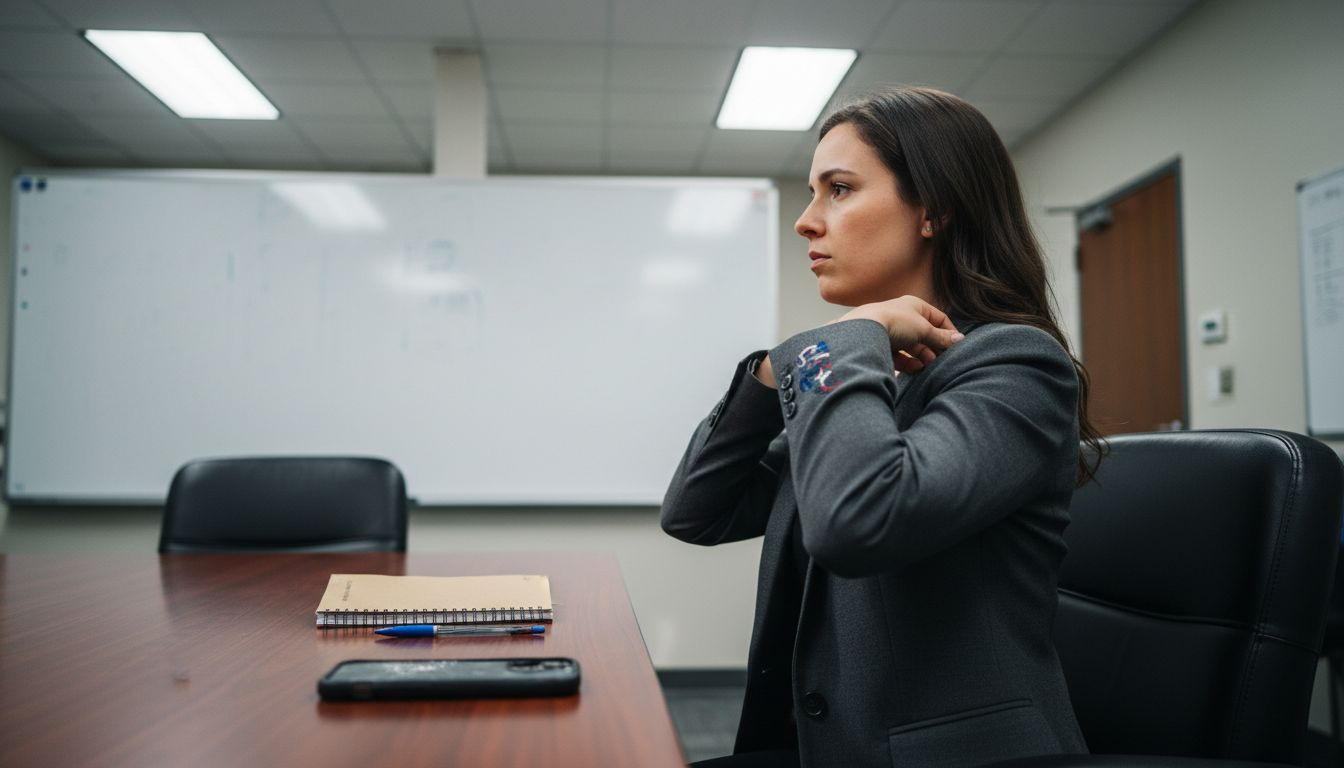
This summary outlines how non-verbal factors can impact interview performance at a glance:
| Non-Verbal Element | Impression on Interviewer | Practical Tip |
|---|---|---|
| Posture | Signals confidence or anxiety | Sit upright, avoid slouching |
| Eye Contact | Shows engagement and honesty | Maintain steady eye contact |
| Tone of Voice | Reflects enthusiasm | Vary pitch, avoid monotone |
| Gestures | Enhances message clarity | Use open hand movements |
| Facial Expressions | Conveys emotional intelligence | Smile naturally, stay relaxed |
Preparing comprehensive responses requires deep self-reflection and strategic planning. Research the organisation, anticipate potential questions, and develop structured answers that highlight your unique professional strengths. Practice delivering these responses with clarity, ensuring you can communicate your value proposition succinctly and confidently.
Pro tip: Record yourself answering interview questions to identify and improve subtle communication nuances.
Expert strategies for video interviews
Video interviews have become a critical component of modern recruitment processes, requiring specific preparation and technical expertise. Effective video interviewing strategies demand more than just standard interview preparation.
Key technical and presentation considerations include:
- Technology readiness: Test equipment and internet connection beforehand
- Background selection: Choose a neutral, professional setting
- Lighting configuration: Ensure clear, flattering illumination
- Camera positioning: Position camera at eye level for direct engagement
- Audio quality: Use a high-quality microphone or headset
- Digital body language: Maintain eye contact with camera lens
Successful video interviews require careful management of digital communication nuances. Your virtual presence must convey the same professionalism and engagement as an in-person meeting. This means controlling your physical environment, managing technological variables, and maintaining a confident, focused demeanour throughout the conversation.
Preparing for video interviews involves comprehensive rehearsal and technical understanding. Practice speaking directly to the camera, minimise background distractions, and develop strategies for managing potential technical interruptions. Familiarise yourself with the video platform, test your equipment, and create a professional digital backdrop that represents your personal brand.
Pro tip: Conduct a complete technical rehearsal 24 hours before your interview, checking camera, sound, and internet stability.
Common mistakes and pitfalls to avoid
Interview preparation requires strategic awareness of potential missteps that can undermine your professional presentation. Critical interview mistakes can significantly impact your chances of success, making conscious preparation essential.
Common interview pitfalls to be aware of include:
- Insufficient research: Lacking knowledge about the company and role
- Poor communication: Rambling or providing unfocused answers
- Negative body language: Displaying closed or defensive postures
- Unprofessional appearance: Dressing inappropriately for the role
- Lack of specific examples: Failing to demonstrate concrete achievements
- Desperation signals: Appearing overly eager or desperate for the position
Many candidates inadvertently sabotage their interview performance through subtle behavioural errors. Overconfidence can be just as detrimental as low self-esteem. Striking a balanced approach requires careful self-monitoring, understanding your strengths, and presenting them authentically without appearing arrogant or uncertain.
Technical and interpersonal preparation are equally crucial. Practice articulating your professional narrative, anticipate potential questions, and develop concise, compelling responses that showcase your unique value. Remember that interviews are collaborative conversations, not interrogations. Approach each interaction as an opportunity to demonstrate your professional capabilities and cultural fit.
Pro tip: Create a personal ‘interview toolkit’ with prepared stories, key achievements, and potential questions to boost your confidence and preparedness.
Enhance Your Interview Delivery with Pavone.ai
Preparing for a job interview involves mastering clear communication, confident delivery, and structured answers — challenges thoroughly explored in the article “Job Interview Preparation: Achieving Confident Delivery”. If you struggle with pacing, clarity, or presenting yourself confidently on camera, Pavone.ai offers a personalised coaching platform designed precisely to tackle these issues. The platform analyses your interview answers to help you sound more senior and composed by focusing on how you communicate, not just what you say.
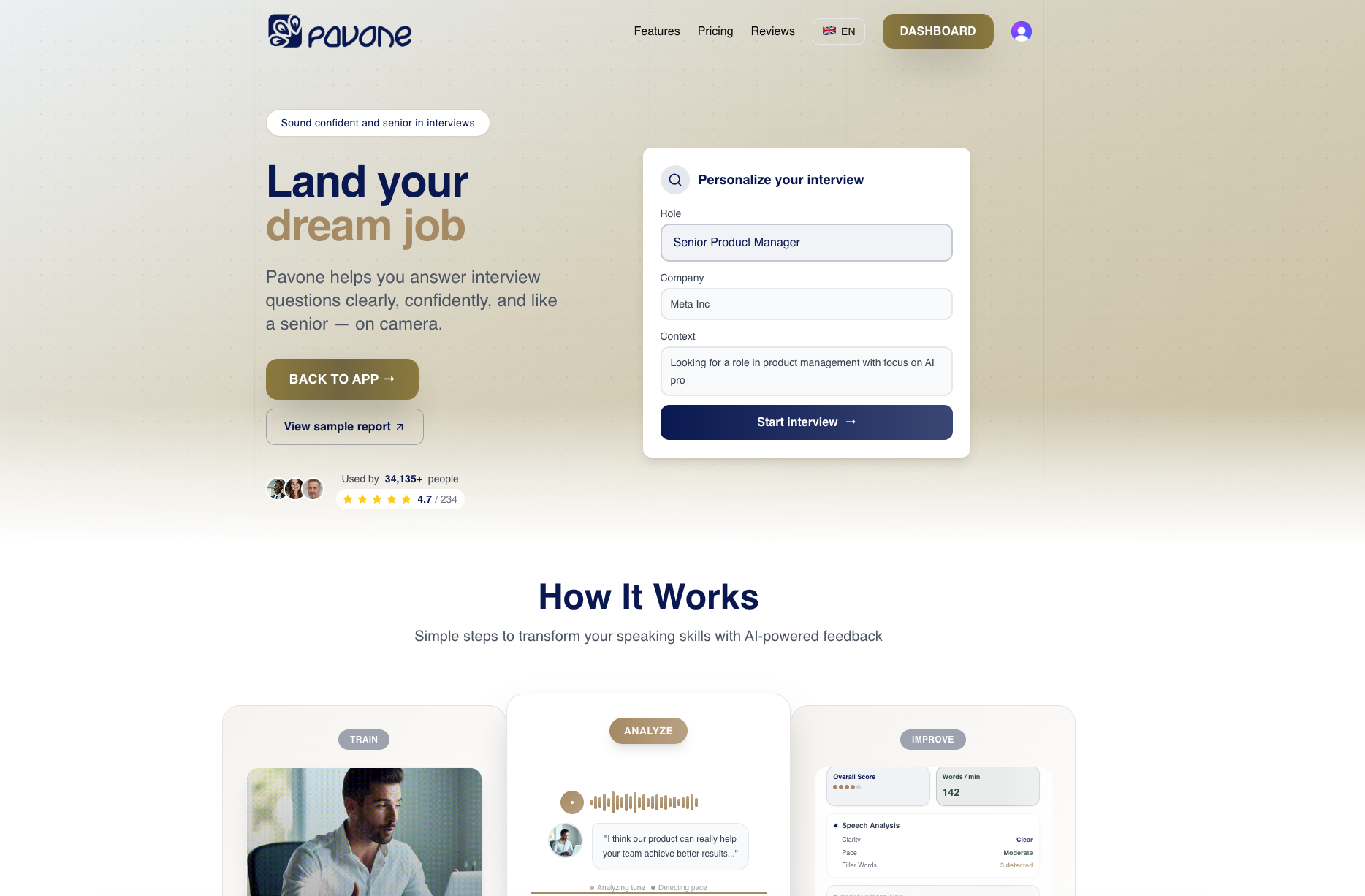
Experience the power of detailed feedback on your clarity, confidence, structure, and more through Pavone.ai’s intuitive interface. Take control of your interview success today by practising anytime and reducing anxiety in video interviews. Discover the difference of having a personal coach available 24/7 at Pavone.ai. Prepare smarter, perform better, and turn your interview nerves into confident delivery now.
Frequently Asked Questions
What are the key components of effective job interview preparation?
Effective job interview preparation includes researching the company’s background and culture, understanding job requirements, preparing concise answers to common questions, practicing communication skills, and developing a confident demeanour.
How can I improve my non-verbal communication for interviews?
To enhance non-verbal communication, maintain good posture, establish appropriate eye contact, use gestures to emphasise points, and manage your tone of voice to convey enthusiasm and engagement.
What types of interviews should I be prepared for?
You should be prepared for various types of interviews, including telephone, video, panel, technical, behavioural, and AI-driven assessments, as each format serves different purposes in the recruitment process.
How can I effectively prepare for a video interview?
Effective preparation for a video interview involves checking your technology and internet connection, selecting a professional background, ensuring good lighting, and practising direct engagement with the camera while maintaining a confident and focused demeanour.
Recommended
- How Do I Prepare for Interview: Achieve Clear Confident Delivery | Pavone Academy
- How to Speak Confidently in Job Interviews - Pavone
- Job Interview Preparations for Confident Video Responses | Pavone Academy
- Anxiety and Interviews – Impact on Performance | Pavone Academy
- All you need to know for a TEFL job interview – Part 1 - EBC Trinity CertTESOL and TEFL courses
Ready to practice?
Start improving your speaking skills with AI-powered feedback and analysis.
Try Pavone Free